
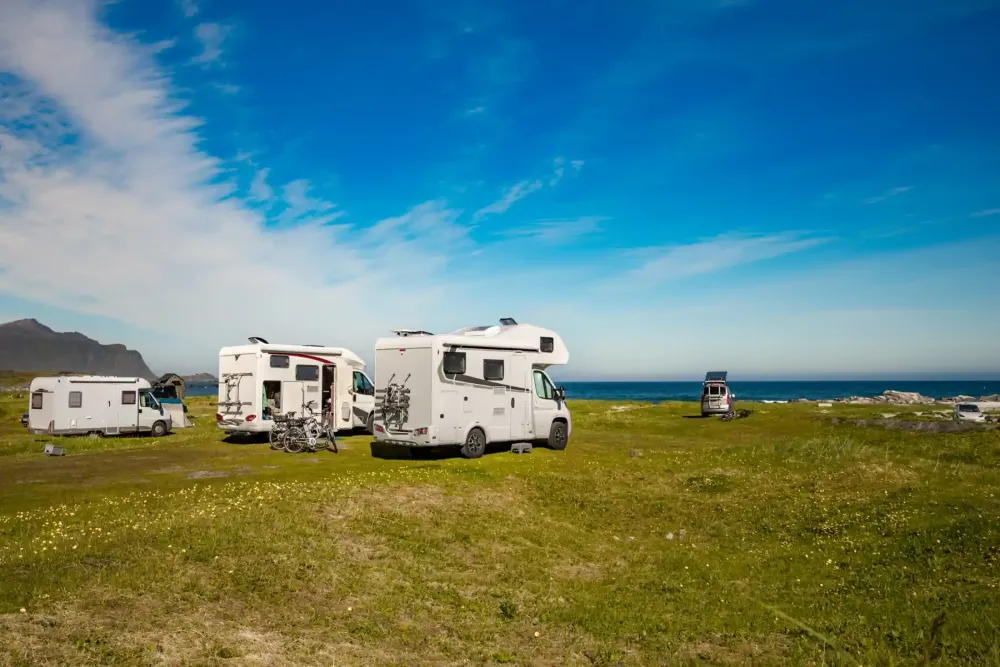
Selling a Family-Owned RV Park is not always a simple business decision. For many owners, the property represents years of work, personal history, community relationships, and family involvement. Unlike selling a standard commercial asset, selling a family-run RV park often comes with emotional, financial, operational, and legacy considerations.
Whether the property has been in the family for one generation or several, owners should take time to evaluate the market, property performance, family goals, and buyer expectations before moving forward. A thoughtful approach can help owners make a more confident decision while protecting the value they have built over time.
Why Selling a Family-Owned RV Park Requires Careful Planning
Selling a Family-Owned RV Park involves more than determining a price and finding a buyer. Owners must consider how the sale affects family members, employees, long-term guests, and the local community.
Many family-owned parks have loyal seasonal guests, repeat travelers, and personal relationships that developed over years of operation. These relationships can make the sale feel more personal than a typical real estate transaction.
Planning ahead allows owners to organize financial records, review property improvements, evaluate market timing, and discuss expectations with family members. This preparation can reduce confusion and help create a smoother process.
Understanding the True Value of a Family-Owned RV Park
The value of a Family-Owned RV Park is often tied to both its physical assets and its operating performance. Buyers typically review revenue, occupancy, expenses, amenities, land value, location, and growth potential.
A park with steady occupancy, clean records, and strong guest demand may attract more serious buyer interest. However, value is not based on sentiment alone. Even if a property has deep family history, buyers will usually focus on income, market demand, and future upside.
Owners should review recent financial performance, site count, utility systems, maintenance history, and competitive positioning. These details help create a clearer picture of what the property may be worth in the current market.
Family Conversations Should Happen Early
Before selling a Family-Owned RV Park, owners should have honest conversations with everyone involved. This may include parents, children, siblings, business partners, or relatives who work at the property.
Some family members may want to sell, while others may want to keep operating the park. Others may be unsure because of emotional attachment or future inheritance expectations.
Discussing goals early can help prevent conflict later. Important topics may include retirement plans, succession options, financial needs, ownership shares, and whether any family member wants to continue managing the business.
Key Questions Family Members Should Discuss
Families should ask whether the park still fits their long-term goals. They should also discuss whether the next generation has the time, interest, and experience to continue operating the property.
Another important question is whether selling now supports a better financial outcome than holding the property longer. These conversations can help clarify whether a sale is the right next step.
Preparing Financial Records Before Selling
Clean financial records can make a major difference when selling a Family-Owned RV Park. Buyers want to understand how the property performs and whether the reported income is reliable.
Owners should prepare profit and loss statements, tax records, occupancy reports, utility costs, payroll expenses, insurance details, maintenance records, and rent rolls if applicable. If the park has long-term tenants or seasonal guests, documentation should clearly show rental rates and stay patterns.
Organized records help build buyer confidence. They can also reduce delays during due diligence because buyers and advisors will need to verify the property’s income and expenses.
Reviewing Property Conditions and Operational Systems
Before going to market, owners should review the physical condition of the park. This includes roads, sites, electrical systems, water lines, sewer infrastructure, signage, bathhouses, laundry rooms, office areas, landscaping, and common spaces.
Small improvements may help strengthen presentation. Clean grounds, updated photos, repaired signage, and organized site layouts can influence first impressions.
Operational systems also matter. Buyers may review reservation software, payment processes, website quality, online reviews, and guest communication practices. A park with clear systems may appear easier to transition after the sale.
Market Timing Matters When Selling a Family-Owned RV Park
Timing can influence buyer activity and property value. Owners considering the sale of a Family-Owned RV Park should review broader RV park market trends, regional tourism activity, population growth, and local development.
Parks located near growing cities, outdoor recreation areas, highways, lakes, or seasonal destinations may attract more attention when demand is strong. If occupancy has been increasing and financials are improving, owners may be in a better position to present the property.
Market timing is not only about national trends. Local conditions often matter just as much. Nearby infrastructure improvements, new employers, housing demand, or tourism growth can all influence buyer interest.
Considering the Emotional Side of the Sale
Selling a family-owned property can be emotional. Owners may feel proud of what they built but uncertain about letting it go.
This is especially true when the RV park has been part of family life for many years. The property may hold memories of children growing up, guests becoming friends, and family members working together through busy seasons.
Acknowledging the emotional side of the sale is important. Owners should give themselves time to process the decision and separate personal attachment from practical financial planning.
Understanding Buyer Expectations
Buyers evaluating a Family-Owned RV Park often look for both current performance and future opportunity. They may ask whether rates can be increased, amenities can be improved, sites can be expanded, or operations can be modernized.
Some buyers may be individual operators. Others may be investment groups, outdoor hospitality companies, or real estate investors looking for income-producing assets.
Owners should be prepared to answer questions about zoning, utilities, permits, occupancy, site mix, expansion potential, and local demand. The more prepared the seller is, the smoother the buyer review process can be.
Practical Example of Selling a Family-Owned RV Park
Consider a family that has operated a 70-site RV park for over 25 years. The parents are ready to retire, but their children have different plans and do not want to manage the park full time.
Before listing the property, the family reviews financial records, updates maintenance documentation, improves landscaping, and organizes guest agreements. They also discuss how sale proceeds may be distributed and what role each family member will have during the process.
By preparing early, the family presents the park as a stable operating property rather than a rushed sale. This helps create a clearer path for buyer evaluation and reduces stress among family members.
Selling a Family-Owned RV Park Starts With Clarity
Selling a Family-Owned RV Park is a major decision that requires both practical planning and personal reflection. Owners should evaluate property value, financial records, market timing, operational systems, family goals, and buyer expectations before moving forward.
A well-prepared sale process can help protect the value of the property while honoring the work that went into building it. By taking time to plan carefully, owners can approach the decision with more confidence and a clearer understanding of what comes next.
For families considering a sale, the most important first step is clarity. Knowing why you want to sell, what the property is worth, and how the decision affects everyone involved can make the process more manageable.
Take the Next Step With a Clearer RV Park Sale Strategy
Selling a long-held RV park deserves more than a rushed decision. It takes thoughtful planning, accurate market understanding, and a clear view of the property’s long-term potential.
Investorade shares educational resources to help property owners and investors better understand RV park real estate trends, market value drivers, and alternative real estate strategies. Visit Investorade to continue exploring insights that can help you prepare for more informed real estate decisions.
Frequently Asked Questions About Selling a Family-Owned RV Park
What should owners consider before selling a Family-Owned RV Park?
Owners should consider family goals, property value, financial records, market timing, operational systems, and buyer expectations. These factors can help determine whether selling is the right decision.
How is a Family-Owned RV Park valued?
A Family-Owned RV Park is often valued based on income, occupancy, expenses, location, land quality, amenities, and growth potential. Sentimental value may matter to the family, but buyers usually focus on financial and operational performance.
Should family members agree before selling an RV park?
Yes. If multiple family members are involved in ownership or operations, early conversations are important. Clear communication can help avoid conflict and create a smoother sale process.
What records are important when selling a Family-Owned RV Park?
Important records include profit and loss statements, tax documents, occupancy reports, utility expenses, maintenance records, insurance details, guest agreements, and site rental information.
Can improvements help before selling a Family-Owned RV Park?
Yes. Simple updates such as cleaning the property, repairing signage, organizing records, improving landscaping, and updating guest systems can help strengthen buyer confidence.