
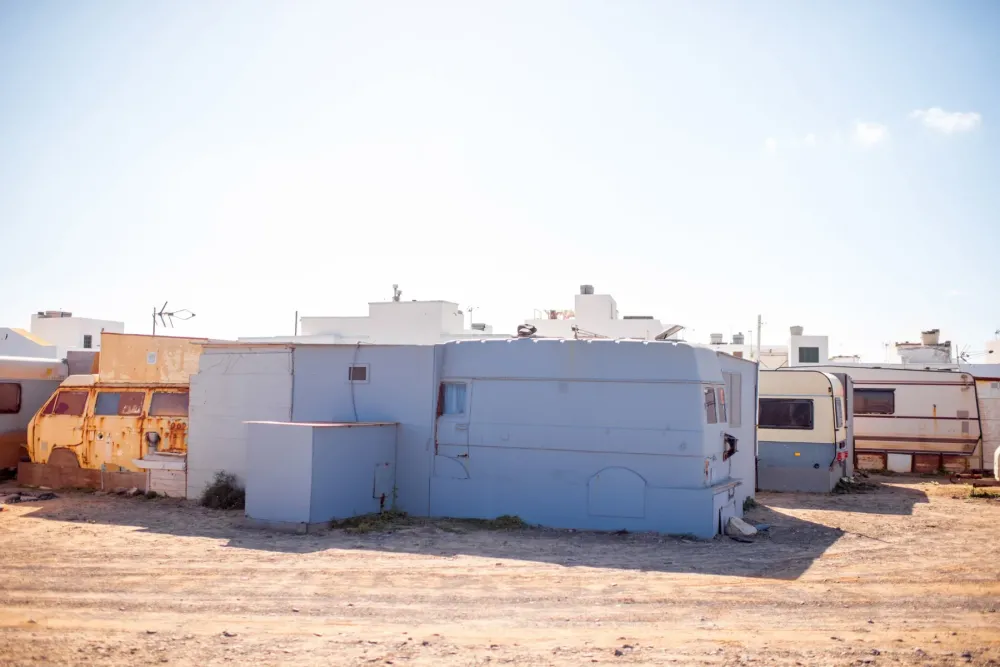
Selling an RV park can feel challenging when the property has deferred maintenance. Many owners worry that worn roads, outdated utilities, aging bathhouses, old signage, or unfinished repairs will make it harder to attract the right buyer.
The good news is that deferred maintenance does not always stop a sale.
Many RV parks and campgrounds still hold strong value, even when updates are needed. Buyers may look beyond the current condition and focus on the property’s location, site count, income, guest demand, acreage, infrastructure, and long-term potential.
For some owners, trying to fix every issue before selling may not be the best path. Repairs can be costly. Major upgrades can take months. Contractors can be difficult to manage. There is also no guarantee that every dollar spent will increase the final sale price.
That is why some owners choose to explore a direct sale before taking on more work. If you are ready to move on, retire, or reduce the stress of operating the property, it may still be possible to sell an RV park with deferred maintenance without completing every repair first.
What Is Deferred Maintenance in an RV Park?
Deferred maintenance refers to repairs, upgrades, or property improvements that have been delayed over time.
In an RV park or campground, this can include physical repairs, utility work, building improvements, road maintenance, drainage fixes, landscaping updates, amenity upgrades, or operational improvements that have not yet been completed.
Deferred maintenance is common in older RV parks. Many owners handle the most urgent problems first while postponing larger projects that require more time, labor, or capital.
This does not mean the property has no value. It simply means the buyer will need to understand what repairs may be needed after closing.
Common Deferred Maintenance Issues in RV Parks
Every RV park is different, but buyers often review several common areas when evaluating deferred maintenance.
Roads and Internal Driveways
Roads, gravel paths, and internal driveways can wear down over time. Potholes, drainage problems, narrow turns, and uneven surfaces may affect guest experience and daily operations.
These issues can matter, especially if the park serves larger RVs or frequent overnight travelers. However, road repairs are often part of the improvement plan for buyers who see long-term potential in the property.
Electrical Systems
Electrical capacity is one of the most important infrastructure considerations in an RV park. Older pedestals, limited amperage, outdated wiring, or inconsistent site power may raise buyer questions.
Modern RV guests often expect reliable 30-amp or 50-amp service. If the electrical system needs upgrades, it may affect the offer, but it does not always stop buyer interest.
Water and Sewer Systems
Water lines, septic systems, sewer hookups, pressure issues, drainage, and wastewater capacity can all affect valuation. Buyers will want to know how these systems are performing and whether there are known concerns.
If repairs are needed, the buyer may factor those costs into the offer. Still, properties with strong location, land, and guest demand may remain attractive.
Bathhouses and Laundry Facilities
Older bathhouses, laundry rooms, or guest facilities may need cosmetic updates or full renovation. These areas can influence guest satisfaction, especially for campgrounds that serve short-term visitors.
In some cases, simple updates can help. In others, a buyer may prefer to handle improvements after acquisition based on their own plans.
Cabins, Park Models, and Rental Units
If the property includes cabins, park models, glamping units, or rental accommodations, buyers may review their condition closely. Roof issues, plumbing problems, HVAC concerns, outdated interiors, or safety concerns may affect value.
Even if these units need work, they may still represent future revenue potential.
Signage, Landscaping, and Curb Appeal
First impressions matter, but curb appeal is often fixable. Old signage, overgrown landscaping, worn fencing, or dated common areas may make the property look less polished, but these issues do not always require major structural investment.
A buyer may see these as manageable improvements.
Why Owners Delay Repairs Before Selling
Many RV park owners postpone repairs because the business already requires constant attention. Between guest needs, maintenance calls, reservations, utility issues, staffing, and seasonal demand, it can be difficult to tackle major projects.
Cost is another major factor. Electrical upgrades, septic work, road repairs, and building renovations can be expensive. Some owners may not want to invest more money into a property they are already thinking about selling.
There is also the issue of timing. Repairs can delay the sale process. If a project takes several months, the owner may miss a favorable selling window or continue carrying operational stress longer than expected.
For retiring owners or families ready to exit, delaying the sale for more repairs may not make sense.
Should You Fix Deferred Maintenance Before Selling?
The answer depends on the type of repair, the cost, your timeline, and your goals.
Small repairs may be worth completing. Basic cleanup, safety fixes, simple landscaping, updated signage, or minor maintenance may help the property show better and reduce buyer hesitation.
Major repairs are different.
Large projects like electrical upgrades, sewer improvements, road resurfacing, bathhouse renovations, or full utility replacements can require significant capital. Before starting these projects, ask whether the improvement will actually increase your net proceeds or simply delay the sale.
For example, spending a large amount on infrastructure may improve the property, but it may not always produce a dollar-for-dollar increase in the final offer.
If your main goal is to exit the business, a direct sale may allow you to avoid taking on more projects before closing.
How Deferred Maintenance Can Affect RV Park Value
Deferred maintenance can affect value because buyers may need to invest money after purchasing the property. If the buyer expects major repairs, they may account for those costs when making an offer.
However, deferred maintenance is only one part of valuation.
Buyers may also review:
- Current income
- Occupancy
- Site count
- Location
- Guest demand
- Acreage
- Expansion potential
- Utility setup
- Local competition
- Rate upside
- Management systems
- Long-term improvement potential
A property with deferred maintenance may still be attractive if it has strong demand drivers, usable sites, steady revenue, or room to improve operations.
Some buyers specifically look for RV parks that are not fully optimized. They may see value in improving the property after acquisition.
What Buyers Look For Beyond Property Condition
Buyers do not only look at what needs repair. They also look at what the property could become.
A buyer may be interested in an RV park with deferred maintenance if the location is strong, the land is usable, the site count is meaningful, and demand exists in the surrounding market.
They may also look for operational upside. For example, a park may have below-market rates, limited online booking, weak marketing, outdated photos, low occupancy, or underused land. These issues may create an opportunity for a buyer who has the resources to improve the property.
The current condition matters, but the future potential may matter just as much.
Why a Direct Buyer May Be a Better Fit
If your RV park has deferred maintenance, a traditional public listing may feel stressful. You may feel pressure to make the property look more polished before bringing it to the market.
A public listing can also expose the property to many buyers who may not understand the realities of RV park operations. Some buyers may focus only on visible problems and overlook the deeper value of the land, location, guest base, or upside.
A direct buyer may be a better fit because the conversation is more focused. Instead of preparing the property for public marketing, you can discuss the current condition honestly and let the buyer evaluate the opportunity.
This can help owners avoid unnecessary repairs, reduce privacy concerns, and move through the process with fewer delays.
What Information Should You Prepare?
You do not need perfect records to start a conversation, but having basic information ready can help the buyer review the opportunity faster.
Useful information may include:
- Number of RV sites
- Property size
- Current rates
- Annual income
- Approximate expenses
- Occupancy trends
- Guest mix
- Utility setup
- Known repairs or maintenance concerns
- Age or condition of major systems
- Recent improvements
- Expansion opportunities
- Current staffing or management setup
If there are known issues, it is better to disclose them early. Clear information helps prevent surprises during due diligence and makes the process smoother.
How to Talk About Deferred Maintenance With a Buyer
When discussing deferred maintenance, be direct and realistic. You do not need to make the property sound perfect. Buyers expect RV parks to have maintenance needs, especially if the property has been operating for many years.
Explain what you know. Share what has been repaired, what still needs attention, and what may require a closer inspection.
For example, if the bathhouse is outdated but functional, say that. If the electrical system works but may need upgrades for modern rigs, explain that. If there are drainage issues during heavy rain, share that early.
Honesty builds trust. It also helps the buyer evaluate the property accurately and reduces the chance of problems later in the sale process.
Selling With Deferred Maintenance vs. Selling As-Is
Selling with deferred maintenance and selling as-is are closely related, but they are not always the same.
Selling with deferred maintenance means the property has repairs or updates that have been postponed. Selling as-is means the owner is not planning to complete major repairs before closing unless negotiated.
Many owners with deferred maintenance choose to sell as-is because they do not want to take on more repair work before selling.
This can be a practical option if the owner wants to reduce stress, avoid additional expenses, and move forward with a direct buyer who understands the property’s current condition.
When Selling With Deferred Maintenance Makes Sense
Selling with deferred maintenance may make sense if you are ready to move on and do not want to spend more money on the property.
It may also be a good option if repairs would take too long, cost too much, or create more stress than the owner wants to manage.
This path may be especially helpful for:
- Retiring RV park owners
- Family-owned campgrounds without a clear successor
- Owners dealing with management fatigue
- Parks with older infrastructure
- Properties with low occupancy
- Owners who want a private sale
- Sellers who want to avoid a long public listing process
The best choice depends on your goals, timeline, and willingness to take on more repairs before selling.
How Investorade Helps RV Park Owners With Deferred Maintenance
Investorade works with RV park and campground owners who are considering a direct sale, including owners whose properties may need repairs, updates, or operational improvements.
Instead of requiring owners to prepare a public listing or complete major upgrades first, Investorade can review the property based on its current condition, location, operations, income, infrastructure, and long-term potential.
This can be helpful for owners who want privacy, simplicity, and a practical way to explore a sale.
If your RV park has deferred maintenance, older systems, outdated amenities, or unfinished improvements, you can still start a conversation. Investorade understands that many outdoor hospitality properties have room for improvement and may still offer long-term value.
Ready to Sell an RV Park With Deferred Maintenance?
You do not have to fix every issue before exploring a sale.
If your RV park has deferred maintenance, a direct sale may help you avoid more repair costs, reduce stress, and move forward with a buyer that understands RV parks and campgrounds.
Investorade works with owners who want a private and straightforward way to sell. Whether your property has older infrastructure, low occupancy, outdated amenities, or repairs that have been delayed, you can start the conversation and learn whether a direct offer may be a fit.
Contact Investorade today to discuss selling your RV park with deferred maintenance.
FAQs About Selling an RV Park With Deferred Maintenance
Can I sell an RV park with deferred maintenance?
Yes. It may be possible to sell an RV park with deferred maintenance, depending on the property, location, income, site count, infrastructure, and buyer interest. Deferred maintenance may affect value, but it does not always prevent a sale.
Should I make repairs before selling my RV park?
Some small repairs may help, but major repairs are not always necessary before selling. If the repairs are expensive or time-consuming, it may be worth exploring a direct sale first.
Will deferred maintenance lower my offer?
Deferred maintenance can affect an offer because buyers may account for future repair costs. However, buyers may also consider location, occupancy, income, land, site count, and improvement potential.
What maintenance issues do RV park buyers review?
Buyers may review roads, utilities, electrical systems, water and sewer systems, septic, bathhouses, laundry facilities, cabins, signage, landscaping, drainage, and overall property condition.
Can I sell my RV park as-is if it needs repairs?
Yes. Some owners choose to sell as-is when they do not want to complete major repairs before closing. A direct buyer may review the property in its current condition.
Do I need perfect records to sell an RV park with deferred maintenance?
No. Clean records are helpful, but many owner-operated RV parks have incomplete or informal records. A buyer may still review available information and ask follow-up questions.
Is a direct sale better for a park with deferred maintenance?
A direct sale may be a better fit if you want privacy, speed, simplicity, and fewer repair obligations before selling. It allows the buyer to review the property as it currently stands.
Does Investorade review RV parks that need repairs?
Investorade works with RV park and campground owners who are considering a direct sale, including owners whose properties may have deferred maintenance, older infrastructure, or improvement potential.