
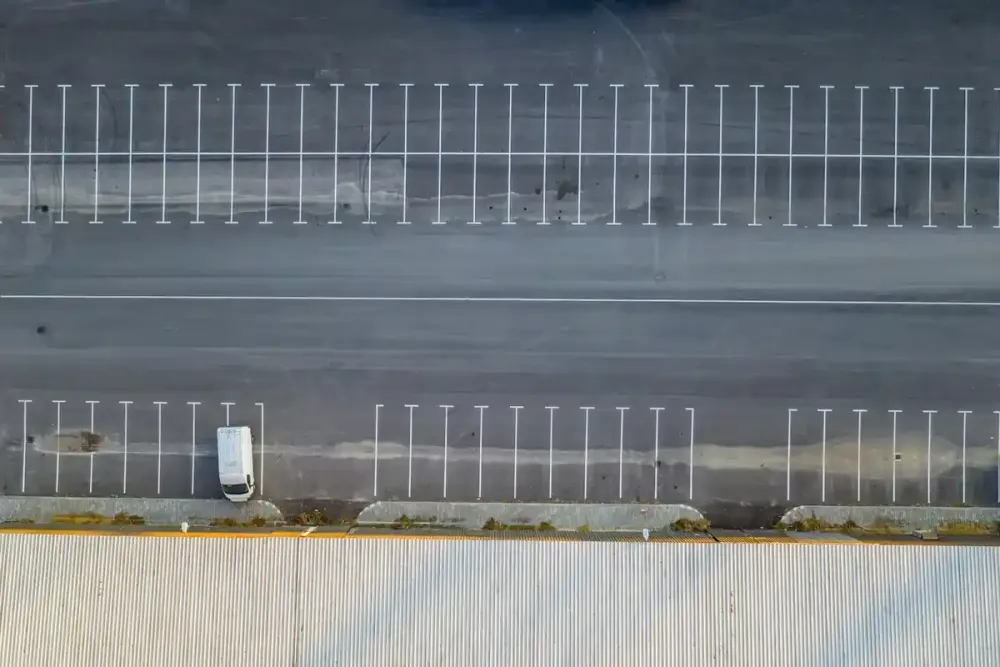
Selling an RV park with low occupancy can feel challenging. Many owners worry that empty sites, fewer guests, inconsistent bookings, or declining revenue will make the property less appealing to buyers.
Low occupancy can affect value, but it does not always stop a sale.
Some buyers look beyond current performance. They may review the property’s location, site count, utility setup, land, nearby demand drivers, rate structure, online presence, and future improvement potential. In some cases, a park with low occupancy may still be attractive if the buyer sees a clear path to improving operations after closing.
For owners who are tired of managing the property, dealing with slow seasons, or trying to rebuild bookings, exploring a direct sale may be a practical option. Instead of spending months trying to fix the business before selling, you may be able to start a conversation with a buyer who understands RV parks and campgrounds.
If you want to sell an RV park with low occupancy, the key is understanding what buyers will review and how to position the property honestly.
Why RV Parks Experience Low Occupancy
Low occupancy can happen for many reasons. Sometimes it is caused by market conditions. Other times, it is connected to property condition, pricing, marketing, management, amenities, or guest experience.
An RV park may have low occupancy because it does not appear clearly in search results, has limited online booking, outdated photos, weak signage, poor reviews, seasonal demand, older utilities, or amenities that no longer match guest expectations.
Some parks are also affected by competition. If nearby RV parks have better websites, stronger reviews, newer facilities, or more aggressive marketing, they may capture more bookings.
In other cases, the property itself may still be strong, but the owner may be burned out. When an owner is tired of daily operations, guest communication, maintenance, and marketing, occupancy can slowly decline.
Buyers understand that low occupancy can have different causes. That is why they usually review both the current performance and the potential for improvement.
Does Low Occupancy Mean Your RV Park Has No Value?
No. Low occupancy does not automatically mean your RV park has no value.
An RV park can still have value because of its land, location, zoning, site count, infrastructure, road access, nearby attractions, or long-term demand. A buyer may also see value in what the property could become with improved management, updated pricing, better marketing, or targeted repairs.
For example, a park with low occupancy but strong highway access may still be attractive. A campground near a lake, river, state park, national park, job center, or growing town may still have demand even if the current business is underperforming.
A buyer may ask why occupancy is low. If the problem appears fixable, the property may still receive interest.
The important thing is to be realistic. Low occupancy may affect the offer, but it does not always eliminate buyer interest.
Common Reasons Buyers Still Consider Low-Occupancy RV Parks
Some buyers are open to low-occupancy RV parks because they see upside. They may believe the property can perform better with stronger systems, improved presentation, or better capital investment.
Strong Location
A good location can help offset weak current performance. If the park is near tourist routes, outdoor recreation, highways, lakes, employment centers, or growing communities, buyers may see future demand.
Usable Site Count
A park with many usable sites may still have income potential even if occupancy is currently low. Buyers may review whether the sites are functional, accessible, and supported by utilities.
Below-Market Rates
Some low-occupancy parks also have outdated pricing. If rates are too low or not structured well, a buyer may see an opportunity to improve revenue through better pricing.
Weak Marketing
If a park has limited online visibility, poor photos, no online booking, or an outdated website, buyers may view that as an opportunity. Better marketing can sometimes improve bookings without major physical changes.
Operational Upside
Some parks are underperforming because systems are outdated or inconsistent. A buyer may see room to improve reservations, guest communication, staffing, maintenance, reviews, and rate management.
Expansion Potential
If the property has room for more sites, cabins, storage, or amenities, buyers may see value beyond current occupancy.
What Buyers Review When Occupancy Is Low
When reviewing a low-occupancy RV park, buyers will usually look for the reason behind the underperformance.
They may review income, expenses, site count, rates, guest mix, booking history, online reviews, nearby competition, seasonal trends, infrastructure, utilities, road access, and local demand.
Buyers may also ask whether the low occupancy is temporary or long-term. A temporary decline may be viewed differently than several years of weak performance.
They may also compare the property to nearby RV parks. If other parks in the area are busy, the buyer may ask why your park is not capturing the same demand. If the whole market is slow, the buyer may review whether the location can realistically support better performance.
The goal is to understand whether the problem is fixable.
Should You Improve Occupancy Before Selling?
Some owners wonder if they should spend time improving occupancy before selling. In some cases, this may help. In other cases, it may not be worth the effort.
Improving occupancy can take time. You may need to update the website, improve photos, add online booking, adjust rates, repair amenities, respond to reviews, run promotions, improve signage, or strengthen local marketing.
These steps may help the business, but they can also delay your exit.
If you are ready to sell because you are tired of operating the property, investing more time and money into rebuilding occupancy may not make sense.
Before trying to fix occupancy, ask yourself:
- How long will it take to improve bookings?
- How much will it cost?
- Do I have the energy to manage the process?
- Will the improvements increase the final sale price enough to justify the effort?
- Would a buyer prefer to make their own improvements after closing?
If your goal is to move on, a direct sale may be worth exploring before taking on more work.
How Low Occupancy Can Affect RV Park Value
Low occupancy can affect value because it may reduce current income and create uncertainty for the buyer.
A buyer may account for lower revenue, marketing needs, repair costs, management changes, or the time required to rebuild demand. This may influence the offer.
However, value is not based only on current occupancy.
Buyers may also consider property size, site count, location, infrastructure, land use, zoning, utility capacity, nearby demand drivers, and future growth potential.
A low-occupancy park in a strong market may still be attractive. A park with room to improve operations may also attract interest from buyers looking for upside.
The more clearly you can explain the property’s current situation, the easier it is for a buyer to evaluate the opportunity.
How to Position a Low-Occupancy RV Park Honestly
When selling a low-occupancy RV park, honesty matters.
Do not try to hide weak performance. Buyers will likely discover occupancy issues during review. It is better to explain the situation clearly and provide the information you have.
For example, you can share whether occupancy declined due to limited marketing, owner burnout, seasonal changes, deferred maintenance, local competition, road construction, poor online visibility, or other factors.
You can also highlight the property’s strengths. This may include location, acreage, usable sites, long-term guests, nearby demand, utility setup, expansion potential, or below-market rates.
The goal is not to make the property sound perfect. The goal is to help the buyer understand both the challenges and the opportunity.
Selling With Low Occupancy vs. Waiting for Better Numbers
Waiting for better numbers may make sense if you have the time, money, and energy to improve operations. Stronger occupancy can support a better story for buyers.
However, waiting is not always the best choice.
If the property continues to struggle, the numbers may not improve. If repairs, staffing issues, or marketing challenges continue, the owner may spend months trying to fix the business with no guarantee of a better outcome.
There is also an emotional cost. Many RV park owners are already tired when they begin thinking about selling. Waiting another season may increase stress and reduce motivation.
A direct sale can give owners a way to explore their options now instead of delaying the decision indefinitely.
Why a Direct Buyer May Be a Good Fit
A direct buyer may be a good fit for a low-occupancy RV park because the conversation can focus on the full opportunity, not just the current numbers.
Instead of preparing a public listing and trying to explain weak occupancy to many different prospects, the owner can speak directly with a buyer that understands RV parks and campgrounds.
A direct buyer may review the property’s current condition, operations, income, location, site count, infrastructure, and future upside. This can be more efficient for owners who want privacy and simplicity.
A direct sale may also reduce the pressure to improve occupancy before starting the process. The buyer can evaluate the property as it is and decide whether it fits their acquisition goals.
What Information Should You Prepare?
Even if occupancy is low, it helps to gather basic information before speaking with a buyer.
Useful details may include:
- Number of RV sites
- Number of usable sites
- Current rates
- Historical occupancy
- Annual income
- Approximate expenses
- Guest mix
- Booking sources
- Website or online booking information
- Google Business Profile and online reviews
- Utility setup
- Property size
- Known maintenance issues
- Nearby demand drivers
- Local competition
- Expansion opportunities
If you do not have every detail, you can still start the conversation. Many owner-operated RV parks have incomplete records or informal tracking systems.
The key is to provide enough information for the buyer to understand the current business and evaluate the potential.
How Investorade Reviews Low-Occupancy RV Parks
Investorade works with RV park and campground owners who are considering a direct sale, including owners whose properties may be underperforming or experiencing low occupancy.
Instead of only looking at current occupancy, Investorade can review the broader opportunity. This may include location, land, site count, income, utilities, infrastructure, nearby demand, property condition, and long-term improvement potential.
This can be helpful for owners who do not want to spend months trying to rebuild bookings before exploring a sale.
If your RV park has low occupancy, outdated systems, limited marketing, deferred maintenance, or operational challenges, you can still start a private conversation and learn whether a direct offer may be a fit.
Ready to Sell an RV Park With Low Occupancy?
Low occupancy does not automatically mean your RV park cannot sell.
If you are tired of trying to rebuild bookings, manage daily operations, or invest more money into the property, a direct sale may give you a practical path forward.
Investorade works with RV park and campground owners who want a private and straightforward way to explore a sale. Whether your park is underperforming, family-owned, lightly occupied, or in need of updates, Investorade can review the opportunity and discuss whether a direct offer may make sense.
Contact Investorade today to discuss selling your RV park with low occupancy.
FAQs About Selling an RV Park With Low Occupancy
Can I sell an RV park with low occupancy?
Yes. It may be possible to sell an RV park with low occupancy, depending on the property’s location, site count, infrastructure, income, land, and improvement potential. Low occupancy can affect value, but it does not always prevent a sale.
Will low occupancy lower my RV park’s value?
Low occupancy can affect value because it may reduce current income and create more risk for the buyer. However, buyers may also consider location, land, infrastructure, site count, and future upside.
Should I improve occupancy before selling my RV park?
It depends on your goals. Improving occupancy may help, but it can take time, money, and energy. If you are ready to exit, it may be worth exploring a direct sale first.
What do buyers look for in a low-occupancy RV park?
Buyers may review location, site count, utility setup, rates, income, expenses, online presence, guest demand, nearby competition, maintenance needs, and expansion potential.
Can I sell if my park has poor online reviews?
Poor reviews can affect buyer perception, but they do not always prevent a sale. A buyer may review whether the issues can be fixed through better management, maintenance, marketing, or guest experience improvements.
Is a direct sale better for an underperforming RV park?
A direct sale may be a better fit if you want privacy, simplicity, and a buyer that can review the property’s current condition and potential without requiring a public listing.
Do I need complete financial records if occupancy is low?
Complete records are helpful, but not always required to begin the conversation. Buyers may review available income, expenses, booking history, and other property details.
Does Investorade review RV parks with low occupancy?
Investorade works with RV park and campground owners who are considering a direct sale, including owners with underperforming properties, low occupancy, or improvement potential.