
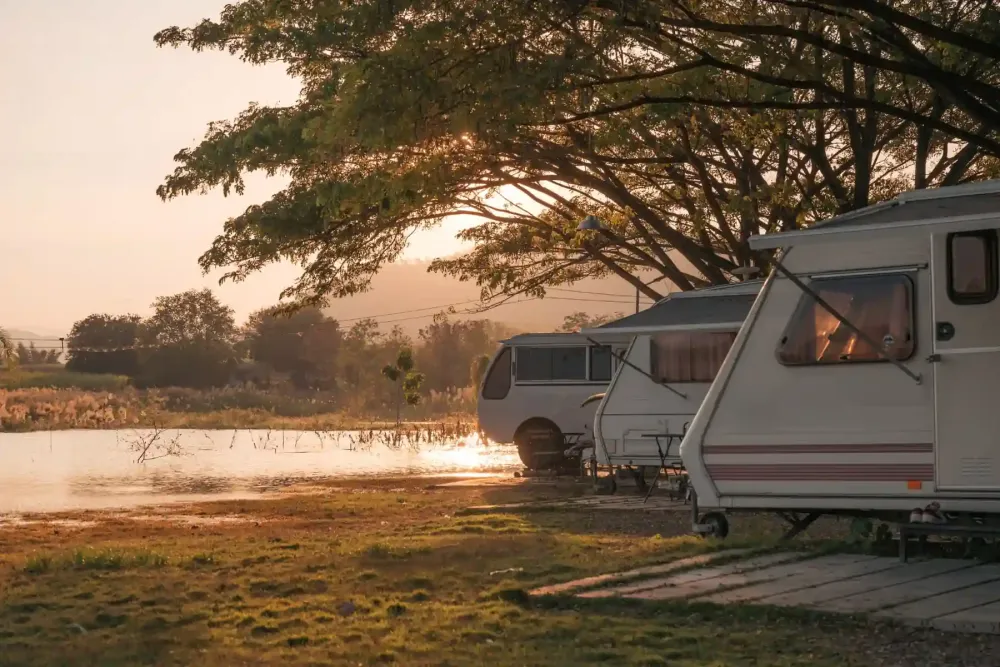
At some point, almost every RV park owner asks the same question: should I keep running this property, or is it time to sell my RV park?
It is not always an easy decision. An RV park can be more than a business. It may be a family asset, a retirement plan, a long-term investment, or a property you have spent years improving. Even when selling makes financial sense, the decision can still feel personal.
On the other hand, holding the park may also come with real costs. Operating an RV park takes time, money, energy, and ongoing attention. Utilities need to work. Guests need support. Rates need to stay competitive. Roads, pads, hookups, bathhouses, and common areas need maintenance. Even a profitable park can become tiring if the owner is ready for a different stage of life.
The right answer is not always “sell now” or “hold forever.” The better question is whether the property still fits your goals, your timeline, your financial needs, and your willingness to keep operating it.
If you are asking, “Should I sell my RV park or keep it?” This article will help you think through the factors that matter most.
Why Owners Start Asking “Should I Sell My RV Park?”
Most owners do not wake up one morning and suddenly decide to sell. The idea usually builds over time.
Maybe the park still makes money, but the day-to-day work has become heavier. Maybe major repairs are approaching. Maybe occupancy is steady, but growth has slowed. Maybe your family is not interested in taking over. Or maybe you are simply ready to retire and want to turn years of hard work into liquidity.
For some owners, the decision starts with frustration. For others, it starts with opportunity. A buyer may reach out. A nearby property may sell. A strong season may make the park look especially attractive. Rising RV travel demand may make you wonder if now is the right time to understand your options.
Thinking, “I may want to sell my RV park,” does not mean the property is failing. In many cases, owners consider selling because the RV park has become valuable. The question is whether you want to keep managing that value or convert it into cash, retirement security, or another investment.
When Holding Your RV Park May Still Make Sense
Holding your RV park can make sense when the property is profitable, manageable, and still aligned with your long-term goals. If income is strong, expenses are controlled, and you still enjoy the work, there may be no urgent reason to sell.
A park with growing revenue, healthy occupancy, market-rate pricing, and manageable maintenance can remain a strong investment. If there is clear room for growth and you have the time, capital, and interest to pursue it, holding may allow you to increase value before selling later.
For example, you may be able to raise rates, improve online booking, add premium sites, increase monthly income, upgrade amenities, or reduce unnecessary expenses. If those improvements are realistic and affordable, holding the park for another few years could improve your future selling position.
Holding may also make sense if your local market is improving. New tourism demand, nearby development, event growth, workforce demand, or limited RV park supply can all strengthen long-term value. In that case, selling too early could mean missing future upside.
The key is being honest about whether you are willing to do the work required to capture that upside. Growth potential only matters if someone is prepared to act on it.
When It May Be Time to Sell My RV Park
Selling may become the better option when the property no longer fits your life, your finances, or your risk tolerance.
This does not always mean the RV park is struggling. Sometimes the park is performing well, but the owner is ready to move on. A strong operating year may actually be a good time to explore selling because buyers can see recent performance and verified income.
Many owners begin thinking, “It may be time to sell my RV park,” when the responsibility starts to outweigh the reward. If you feel tied to guest issues, repairs, staffing, bookkeeping, and constant decisions, the income may no longer feel worth the effort.
Selling may also make sense if major capital improvements are coming. Electrical upgrades, septic repairs, roadwork, drainage improvements, bathhouse renovations, or utility replacements can be expensive. If you do not want to take on those projects, a sale may allow a buyer to handle the next phase.
Family succession is another major factor. If children or relatives do not want to operate the park, holding may only delay an eventual transition. In that case, selling while the business is still stable may be better than waiting until the property becomes harder to manage.
The Financial Side of “Sell My RV Park” vs. Hold
The decision to sell or hold should start with the numbers. Emotion matters, but numbers give you a clearer view of what you are really choosing.
If you hold the park, you may continue collecting income and building equity. You may also benefit from future appreciation if the market improves. However, holding also means you continue carrying operating risk, repair costs, tax responsibilities, insurance costs, staffing needs, and market uncertainty.
If you sell now, you may give up future income, but you gain liquidity. That cash may be used for retirement, debt reduction, family needs, another investment, or simply peace of mind. For some owners, the certainty of a clean exit is worth more than the possibility of future upside.
The comparison should not be based only on today’s income. You also need to think about what it will cost to keep the park performing. If the property needs major improvements over the next few years, those costs should be included in your hold decision.
For example, a park that produces solid income but needs significant upcoming infrastructure work may not be as attractive to hold as it first appears. On the other hand, a park with stable systems, rising rates, and low maintenance needs may be worth keeping longer.
When owners ask, “Should I sell my RV park now or wait?” the answer often depends on whether future income is worth the continued cost, work, and risk of ownership.
How Market Timing Affects When to Sell My RV Park
Timing can influence the sale of an RV park, but perfect timing is difficult to predict. Owners often wonder whether they should sell after a strong season, before peak season, during retirement planning, or after completing improvements.
A strong recent season can help because buyers like current performance data. If your occupancy, revenue, and net operating income have improved, that can support buyer confidence. Clean financial records from a strong year can make the property easier to evaluate.
Selling before peak season may also make sense for owners who do not want to go through another demanding operating cycle. A buyer may be interested in taking over before the busy season begins, especially if they see immediate revenue opportunity.
Waiting can be smart if you are close to completing improvements that will clearly increase value. But waiting only helps if the added value is likely to exceed the cost, stress, and delay involved.
The biggest mistake is holding only because you are hoping for a perfect future market. Conditions can change. Expenses can rise. Interest rates, buyer demand, insurance costs, and local competition can shift. If your current position is strong and your personal timeline points toward selling, it may be worth exploring options now rather than waiting indefinitely.
What to Review Before You Decide to Sell My RV Park
Before deciding whether to sell or hold, look carefully at how your park is performing today.
Revenue is important, but it should not be reviewed alone. You need to understand occupancy, rates, expenses, guest mix, net operating income, deferred maintenance, and how much of the business depends on your personal involvement.
A park with high occupancy may still be underperforming if rates are too low. A park with lower occupancy may still have value if the market is strong and the upside is clear. A park with good revenue may still be difficult to sell at a strong price if records are incomplete or repairs are unclear.
This is why owners should avoid making the decision based on one number. The question is not only, “How much money did the park make this year?” The better question is, “How strong, stable, and transferable is this income?”
If a buyer can easily understand the business, verify the income, and see a path forward, the park may be in a better position to sell. If the numbers are messy or the income depends heavily on your personal relationships with guests, holding a little longer to organize the business may help.
The Hidden Cost of Waiting Too Long to Sell My RV Park
Holding can be a good strategy, but holding too long can create problems.
Some owners wait until they are completely burned out before exploring a sale. By then, maintenance may have slipped, records may be less organized, and the owner may have less energy to manage buyer questions or prepare the property. This can make the sale feel more stressful than it needs to be.
Others wait until a major repair becomes unavoidable. Instead of selling from a position of strength, they are selling while facing urgent infrastructure issues. Buyers may still be interested, but they will likely factor those problems into pricing and terms.
There is also the risk of market change. A park that looks attractive today may face new competition, rising expenses, changing travel patterns, or local regulatory challenges later. Waiting may create more upside, but it can also introduce new uncertainty.
If you are already thinking, “I may want to sell my RV park in the next few years,” it can be useful to start preparing before you feel forced to act.
The Emotional Side of Deciding to Sell My RV Park
Selling an RV park is not only a financial decision. For many owners, it is emotional.
You may have built the park from the ground up, inherited it from family, or spent years improving it. You may know long-term guests by name. You may have memories attached to the land, the buildings, and the routines of the business.
That emotional connection is real, and it should not be ignored. But it should also be balanced with your current goals.
A property can be meaningful and still be ready for a transition. Selling does not erase the work you put into the park. In many cases, it is the result of that work. You built something valuable enough for another buyer to want.
If your goal is retirement, family time, financial flexibility, or less daily responsibility, choosing to sell my RV park may be a way to protect the value you created rather than continue carrying the full burden of ownership.
Should I Improve the Property Before I Sell My RV Park?
Many owners wonder if they should improve the park before selling. The answer depends on the type of improvements and the expected return.
Small improvements may be worthwhile if they help the property show better or make the business easier to understand. Cleaning up financial records, organizing site maps, improving curb appeal, fixing obvious safety issues, and updating basic information can all help create buyer confidence.
Large improvements require more caution. Major electrical work, septic repairs, road replacement, bathhouse renovations, or expansion projects can be expensive and time-consuming. They may increase value, but not always enough to justify the cost before a sale.
Before starting a major project, ask whether the improvement will clearly increase income, reduce buyer risk, or support a higher offer. If the answer is uncertain, it may be better to discuss the property as-is with a qualified RV park buyer.
Some buyers prefer to handle improvements themselves. They may have their own plans, vendors, budget, and operating strategy. In that situation, completing major upgrades before selling may not be necessary.
How a Direct Buyer Can Help When You Want to Sell My RV Park Privately
If you are trying to decide whether to sell or hold, the type of buyer matters.
A traditional listing may require public marketing, showings, buyer screening, negotiations, financing delays, and broker commissions. That path can work for some owners, but it may not be ideal for those who want privacy, speed, or a simpler process.
A direct RV park buyer may offer a more private path. Instead of preparing the property for a public listing, the owner can have a confidential conversation, share basic property details, and receive feedback on whether a sale may make sense.
This can be helpful even if you are not fully ready to sell. You may simply want to understand how a buyer views the park, what factors affect value, and whether selling now is realistic.
For owners asking, “Should I sell my RV park or keep it?” a private review can make the decision clearer. You do not have to commit to selling just to learn what your options may look like.
Sell My RV Park Now or Hold? A Practical Way to Think About It
The decision becomes clearer when you compare what you gain by holding against what you gain by selling.
Holding may give you continued income, future appreciation, and time to improve the park. Selling may give you liquidity, simplicity, reduced responsibility, and a cleaner transition into your next stage of life.
Neither option is automatically better. The right choice depends on your numbers, your property condition, your market, and your personal timeline.
If the park is growing, manageable, and still enjoyable to own, holding may make sense. If the park requires more work than you want to give, needs major capital, or no longer fits your retirement plans, selling may be the more practical decision.
The key is to make the decision before stress, fatigue, or urgent repairs force your hand.
What to Prepare Before You Decide to Sell My RV Park
Even if you are not ready to sell, it helps to prepare. Good preparation gives you more control, whether you hold the park or move toward a sale.
Start by gathering recent profit and loss statements, occupancy history, site counts, rate information, utility costs, maintenance records, permits, tax records, and any notes about improvements or known repair needs. You do not need everything to be perfect, but the more organized the information is, the easier it becomes to understand your options.
It can also help to review your personal goals. Do you want to operate the park for another five years? Are you willing to invest in upgrades? Would selling help fund retirement or reduce stress? Is your family interested in continuing the business?
These questions matter because the best financial decision is not always the best life decision. A good exit plan should consider both.
Is Now the Right Time to Sell My RV Park?
Deciding whether to sell now or hold your RV park is a major decision. It involves income, property value, maintenance, market timing, family plans, retirement goals, and personal energy.
Holding may be the right move if the park is performing well, you still enjoy ownership, and there is a clear upside you want to pursue. Selling may be the right move if you are ready for liquidity, tired of daily operations, facing major repairs, or preparing for retirement.
The important thing is to make the decision with clear information. Review your numbers, understand your market, think honestly about your future, and consider what it would take to keep the park moving forward. Broader travel forecast data may also help owners think about market conditions and demand trends when deciding whether to sell or hold.
If you are weighing whether to sell now or hold longer, the next step does not have to be a public listing or a final commitment. It may simply be a private review of where your RV park stands today, what buyers may notice, and how a sale could compare with holding the property longer. Investorade helps RV park owners look at those options clearly, so the decision feels less rushed and more grounded in your goals.
FAQs About Selling Now vs. Holding an RV Park
How do I know if it is time to sell my RV park?
It may be time to sell your RV park if you are ready to retire, no longer want the daily responsibility, need liquidity, face major upcoming repairs, or feel the property no longer fits your long-term goals. A strong financial year can also be a good time to explore selling because buyers can review recent performance.
Should I sell my RV park before or after peak season?
Selling after peak season may help you show recent revenue and occupancy data. Selling before peak season may make sense if you do not want to manage another busy operating period. The best timing depends on your goals, records, property condition, and buyer demand.
Is it better to hold my RV park for a few more years?
Holding may be better if the park is profitable, manageable, and has realistic growth potential you are willing to pursue. However, holding also means continued operating responsibility, repair costs, and market risk.
Can I sell my RV park if it needs repairs?
Yes. Many RV parks sell with deferred maintenance or repair needs. The condition of the property may affect price and terms, but experienced RV park buyers are often willing to review properties that need work.
Do I need a broker to sell my RV park?
Not always. Some owners work with brokers, while others choose a direct or private sale. A broker may help market the property publicly, while a direct buyer may offer more privacy and a simpler process.
What should I prepare before selling my RV park?
It helps to prepare financial records, occupancy history, site information, utility costs, maintenance notes, permits, tax records, and rate details. Clear information helps buyers understand the property and may make the sale process smoother.